Tips for Transitioning From Student to Professional Woodwind Doubler
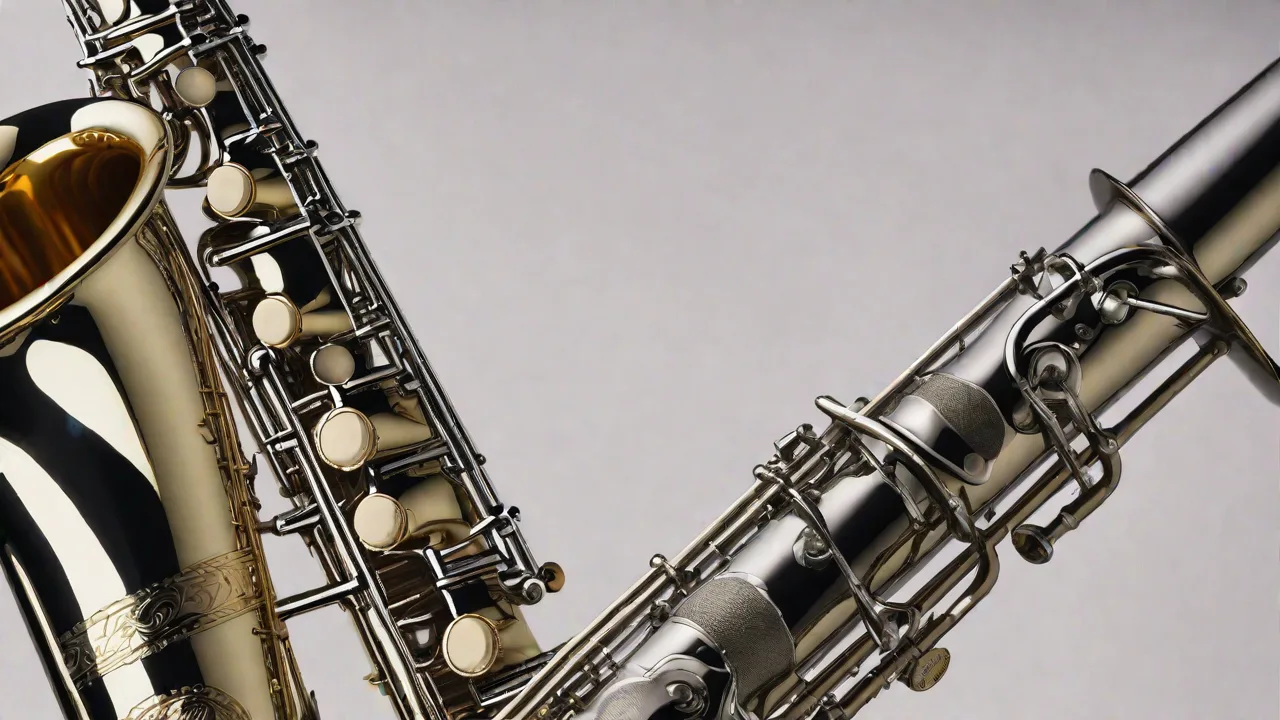
Transitioning from a student to a professional woodwind doubler is one of the most exhilarating and demanding leaps in a musician's career. It's a journey that goes far beyond technical ability—it's about cultivating a versatile skill set, reading the room during a pit change, networking effectively, and understanding the business behind the art. Whether you're a clarinetist learning saxophone, a flutist adding piccolo and alto flute, or an oboist expanding into English horn and bassoon, the path demands careful planning, relentless practice, and a professional mindset. This comprehensive guide provides actionable strategies to help you make that transition successfully and build a sustainable career.
Developing a Professional Mindset
Shifting from the structured environment of a music school to the freelance world requires a fundamental change in how you approach your craft and career. The classroom offers deadlines, grades, and regular feedback; the professional world expects you to supply all of that for yourself. Adopting a professional mindset early will set you apart.
Reliability as Your Brand
In the professional gigging world, reliability often matters more than raw talent. Musicians who show up early, have their instruments in working order, and communicate clearly are hired again and again. Build a reputation for being the person who always brings a backup reed, who knows the show's cuts, and who can handle last-minute changes without complaint. This reliability becomes your calling card; it's what will keep contractors calling you for the next production.
Time Management for the Freelancer
Without a set schedule, you must create your own. Professional woodwind doublers juggle practice time on multiple instruments, rehearsals, teaching, and administrative work like booking gigs and updating websites. Use a digital calendar or a planner to block out dedicated practice slots for each instrument—at least 90 minutes per week per double is a good baseline. Treat these blocks as non-negotiable appointments. Also schedule time for business tasks: replying to emails, updating your portfolio, and networking.
Handling Rejection and Criticism
No one wins every audition or lands every gig. Developing resilience is crucial. Instead of dwelling on a rejection, seek constructive feedback from contractors or colleagues. Analyze what you could improveâwas it your rhythm, your intonation on the second instrument, or your demeanor? Use each setback as a learning opportunity.
A growth mindset will keep you moving forward when the inevitable disappointments occur.
Building Technical Proficiency Across Instruments
Your value as a doubler comes from your ability to deliver consistent, high-quality performances on multiple woodwinds. Achieving this requires a structured practice approach and an understanding of the physical differences between instruments.
Designing a Balanced Practice Schedule
To maintain and improve proficiency across three, four, or even five instruments, your practice routine must be efficient. Allocate blocks of time not just by instrument but by skill type. For example, spend 20 minutes on long tones and embouchure exercises for flute, then 20 minutes on scales for clarinet, then 20 minutes on excerpts for saxophone. Rotate your focus weekly so each instrument receives dedicated attention to repertoire and technique. Use a timer to keep yourself honest and avoid spending too much time on one instrument at the expense of others.
Embouchure and Breath Support
Each woodwind family demands a distinct embouchure and air support. Flute requires a focused, fast airstream with minimal lip pressure; double reeds need precise embouchure formation and controlled air; single reeds rely on a balance of lip pressure and airflow. To avoid fatigue and maintain consistency, practice switching between instruments within a single session. Start by playing a simple exercise on your strongest instrument, then immediately pick up your weakest double. This trains your embouchure to adapt quickly and prevents muscle memory from confusing one instrument's setup for another.
Finger Technique and Kinesthetic Memory
Fingerings vary significantly between instruments—for example, the left-hand little finger on clarinet operates Eb/Bb, while on saxophone it controls the low Bb and B. Use finger pattern exercises that mimic common transitions, such as moving from clarinet to saxophone's palm keys. Practice scales and arpeggios slowly, focusing on clean articulation and even timing. Over time, your fingers will learn to adjust automatically, but you must deliberately train that flexibility. Aim to practice each instrument's scales and arpeggios in all keys, emphasizing the keys most common in professional repertoire (e.g., Bb, Eb, F, C).
Consider referencing method books specifically written for doublers, such as The Complete Woodwind Doubler by Harry S. Perlman or Daily Studies for All Woodwinds by Sigurd Rascher. For further guidance, the International Double Reed Society offers resources and networking opportunities for oboists and bassoonists, which can be invaluable as you expand beyond single reeds.
Understanding the Professional Woodwind Doubling Market
The professional landscape for woodwind doublers is diverse. Each sector has unique demands, and knowing these will help you tailor your skill set and marketing.
Theater Pit Orchestras
Musical theater is a major employer of doublers. Most pit books require you to play three or more instruments, often with quick changes between songs and even within a single song. For example, a show like West Side Story might need you to play flute, clarinet, and saxophone within minutes. The key to success here is organization: have your instruments set up in order of use, with music stands arranged to minimize movement. Practice transitions in a simulated pit environmentâtime yourself from the last note of one instrument to the first note of the next.
Also familiarize yourself with the standard theater repertoire: shows like Les Misérables, Phantom of the Opera, Wicked, and Hamilton all have demanding reed books.
Recording Sessions and Studio Work
Studio work often demands exceptional sight-reading and stylistic flexibility. You might be asked to play a jazzy sax solo in the morning, a classical flute line in the afternoon, and a pop clarinet background later. Prepare by reading new material dailyâuse etude books or sight-reading apps. Also work on your rhythm and intonation with a metronome and tuner. Studio engineers appreciate musicians who can nail a take quickly, so aim for first-time accuracy.
Networking with producers and session players can lead to regular calls.
Cruise Ships and Touring Shows
These positions require endurance and the ability to perform consistently night after night for months. Your instruments must be robust and resistant to temperature and humidity changes. Many cruise ship contracts require doublers to play in multiple shows (production shows, lounge acts, and wedding ceremonies). You'll need a wide repertoire list and the ability to learn new music quickly. Before accepting a contract, ask about the instrument storage situation and whether you need to provide all your own gear.
Being adaptable and easygoing is essential when living and working in close quarters.
Military Bands and Community Ensembles
Military band positions offer stable employment, benefits, and a steady schedule. However, they often require a high level of proficiency on a primary instrument along with reasonable doubling capabilities. Audition requirements typically include list of pieces and excerpts, and you must also pass physical fitness tests. Community bands and orchestras offer less pay but valuable experience and networking opportunities in your local music scene.
Networking and Building Your Reputation
Your technical skills get you in the door; your professional relationships keep you working. Building a robust network takes intentional effort.
In-Person Networking
Attend industry events such as conferences (e.g., the North American Saxophone Alliance, the International Double Reed Society conferences), local music union meetings, and open rehearsals. Introduce yourself to contractors, fellow doublers, and conductors. Bring business cards with your name, instruments, and contact info. Follow up within 48 hours with a brief email or message, reminding them of who you are and offering your services. Also consider volunteering for orchestra reading sessions or pit readings—these low-stakes environments are perfect for showcasing your reliability.
Building an Online Presence
Create a professional website with a clear bio, list of instruments you double, audio/video samples, and a contact form. Use social media platforms like Instagram, LinkedIn, and YouTube to share performance clips, practice tips, and behind-the-scenes content. Join Facebook groups for woodwind players and local gig announcements. A video reel demonstrating fast instrument changes can go viral within musician circles—consider filming a one-minute transition between three instruments.
Managing References and Recommendations
As you build your career, collect letters of recommendation and keep a list of references (contractors, conductors, teachers). Ask permission before listing someone. Whenever you wrap up a gig, send a thank-you note and request feedback; positive testimonials can be posted on your website. Word-of-mouth is powerful—make sure every interaction leaves a positive impression.
For formal networking and legal protection, join a musician's union like the American Federation of Musicians. The AFM provides contracts, insurance, and access to a community of professional players.
Preparing Your Equipment and Materials
Having the right gear—and having it organized—can make or break a gig. Professional woodwind doublers invest wisely and maintain their equipment meticulously.
Investing in Quality Instruments
While you don't need professional-level instruments for every double right away, you need instruments that respond reliably under pressure. A flute with leaky pads or a saxophone with sticky keys will cause problems during performances. Consider used professional models from brands like Yamaha, Selmer, Buffet Crampon, and Haynes. Eventually, aim to own at least one top-tier instrument for each family you double. For theater work, some doublers use specialized instruments like the alto flute or bass clarinet only occasionally; renting may be a short-term option until you secure regular gigs.
Instrument Maintenance
Keep a maintenance schedule: oil keys monthly, replace pads as needed, and check for loose screws. Learn to do basic repairs yourself (e.g., fixing a sticky pad, adjusting a spring). Always bring a repair kit to gigs including a screwdriver, cork grease, small pliers, and extra pads. Before every performance, do a quick play-check of each instrument. Clean your instruments after each use—especially after outdoor gigs or high-humidity environments.
Creating a Gig Kit
Your gig kit should include everything you might need for a single show or a run. Essentials for every instrument: at least three playable reeds of the correct strength, a reed case that keeps them moist, a ligature, a neckstrap (for saxophones and clarinets), a cleaning swab, and a mute appropriate for the instrument (like a practice mute for clarinet or saxophone). For double reeds, bring an extra reed in a protective holder, plus a small knife for adjustments. Keep all this in a sturdy backpack or case designed for multiple instruments. Label everything with your name and phone number—equipment gets misplaced at gigs all the time.
Building a Portfolio
Prepare a digital portfolio that includes a professional resume, a headshot, audio recordings (mock audition excerpts, performances), and references. For theater auditions, many contractors will ask for a previous pit experience or recordings of you playing contrasting styles. Keep your portfolio updated and accessible via your website or a cloud link.
Tips for Auditioning as a Woodwind Doubler
Auditions for doubler positions often involve more than just playing—they test your organizational skills and composure under pressure.
Research the Repertoire Thoroughly
Obtain the audition list in advance. If the list includes specific instruments or pieces (e.g., "Flute: Mozart Concerto in G, 1st movement exposition; Clarinet: Weber Concertino; Saxophone: Creston Sonata, 1st movement"), practice them all. For theater auditions, you may be asked to play excerpts from the show's reed book. Ask the contractor which instruments are required for that specific production—don't assume you'll need all of them.
Prepare for Instrument Changes
When practicing for an audition, simulate the physical setup. Lay out your instruments in the order you'll play them. Time yourself between instruments: a double-reed player might need to transition from oboe to English horn in under 10 seconds. Work on getting a good sound immediately after switching. Record yourself during these transitions and listen for any deterioration in tone or intonation.
Mental Preparation and Nerves
Audition anxiety is real. Use deep breathing, visualization, and positive self-talk. Before the audition, remind yourself of your preparation. Arrive early to warm up in a separate room if possible. Focus on making music rather than on technical perfection—contractors are more impressed by a confident, musical performance than a flawless but sterile one.
Bring All Necessary Accessories
Pack multiple reeds (broken in and at optimal condition), ligatures, neckstraps, cork grease, swabs, and even a small stand light if the audition room is dim. Have a small towel for wiping hands during quick changes. If you're using an instrument you haven't played in a while, test it the day before. The last thing you need is a broken spring or a dry reed during an audition.
Continuing Education and Growth
The music industry evolves constantly. Staying current and continuing to improve is vital for long-term success as a woodwind doubler.
Masterclasses and Workshops
Attend masterclasses focused on doubling. Many summer festivals and music schools offer programs specifically for doublers—e.g., the Banff Centre's woodwind program, the Brevard Music Center, or the Chautauqua Institution. These offer the chance to learn from veterans, receive feedback, and network with peers.
Exploring New Repertoire and Genres
Push yourself outside your comfort zone. If you're classically trained, learn jazz improvisation on saxophone or clarinet. If you're a jazz player, explore orchestral excerpts and Baroque articulation. Contemporary music often requires extended techniques (multiphonics, flutter-tonguing, microtones), which can make you more marketable. Learn them on every instrument you double.
Teaching as a Learning Tool
Teaching woodwinds to students forces you to articulate the fundamentals of each instrument. Many professional doublers maintain a small studio. Teaching also provides a steady income stream while you build your gig calendar. You can also teach online via video lessons, expanding your reach.
Collaborating with Other Doublers
Join online forums or local meetups for woodwind doublers. Share tips on reed adjustment, instrument maintenance, and audition preparation. Collaboration can lead to referrals—if a contractor needs a saxophonist and you're busy, recommend a trusted doubler, and they'll return the favor. The woodwind community is supportive; tap into it.
Transitioning from student to professional woodwind doubler is indeed a marathon, not a sprint. Every gig you play, every new instrument you master, and every relationship you cultivate adds a brick to the foundation of your career. Stay dedicated to your craft, remain open to learning, and approach each day with the professionalism and passion that the journey demands. With persistence and smart strategy, you'll build a rewarding career filled with artistic satisfaction and professional success.